
BBC 4 have created a new documentary focusing on the links between the music and fashion industry called 'Oh you pretty things', so I thought I'd take a look and delve into the history of music to help me understand where all these monumental fashion styles actually came from, and if music really is to blame for the different ways in which we dress today.
Beginning with the mid 60's, the documentary shows how an up and coming boy band called the 'Small Faces' became the main influences for the 60's most significant style, the mods. Button down shirts, tight trousers, leather boots, fitted blazers and coloured jumpers became the go to style pieces, and these all arose from this boy band who rose to fame after appearing in a film entitled 'Dateline Diamonds. The Small Faces, as shown in this image, wore this style confidently and were always paid by their manager in clothing rather than cash, causing them to develop this amazing passion for fashion. I think that these guys were the first people to develop a defined look to their band, really creating a link between fashion and music.
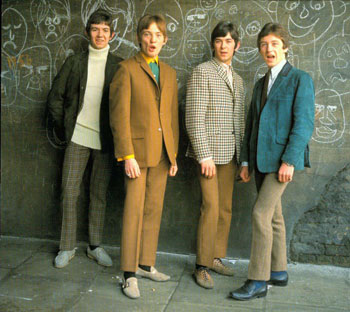 |
By watching this documentary I think that these musicians not only found freedom through performing their music, but also used fashion to express themselves. This is an aspect which I believe many people use fashion for today, allowing them to feel confident and portray their personalities through their clothing items, showing a huge development from the 60's and how it is continued into this 21st century society. I really love this 60's mods look, where texture and pattern on classic fitted jackets creates diversity between outfits. Using colour to make smart wear a little more informal began during this time and I really love the clashing between the band members, a vintage aspect which we may not see today as boy band style is designed so that all members clothing will work together with similar colour pallets across the group. This created much more individuality for the members, allowing each of them to express their individual personalities.
But by this point, the revelation which is fashion shopping was only just developing. Before this time, fashion lovers were expected to create or customise their own clothes. But with the high street shops slowly growing, and their prices becoming more affordable, fashion become enjoyable for many new people who may not have had access to it before. Cilla Black was one of the first female musicians to wear high street designers clothes in the public eye, making it more desirable for people to own the clothing items their favourite artists were also wearing.

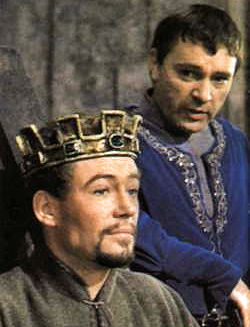
Cilla wore the high street fashion brand 'Biba' during a performance at The Royal Variety Performance in 1964, showing how fashion does not have to cost a bomb! Barbara Hulanicki, the owner of the brand, was approached by Cilla and explains in the BBC4 documentary how she got all her inspiration from rather surprising sources. Creating Cilla's velvet dress with embellishment around the collar, inspiration came from the film 'Becket', where medieval dresses wore had great texture and lots of detail around the neckline, as shown above. I think that it was really brave of Cilla to wear a high street brand to such a well-respected event, however this began a whole trend which is soaring in the 21st century. Not only do celebrities wear high street now, but also design collections for the shops. It's great to see where it all began, and I think that Cilla Black deserves more recognition for her choices, as this is not a very wide known fact. This also shows how inspiration can come from such a wide range of sources, and really encourages me to look deeper into places I may not have thought to take inspiration for fashion styling from, in order to create unique outfits like Cillas.
 | |
The documentary continues to explain about the reggae rude boy era, where short length trousers were popular not just for their stylish look, but also for their practicality. Desmond Dekker, one of the first UK reggae stars, was first seen sporting some ankle grazers at Wembly in the 1970's for the Reggae Festival. Wearing these particular trousers meant that manoeuvring was made much more swiftly, whilst showing off his well practised footwork. However, this ankle grazer style has continued to be popular, now selling in many high street and branded shops across the world. Roll up trousers allow fashionistas to show off their favourite shoes and this reoccurring fashion cycle can be seen with many styles over the years.
But when the famous band Status Quo hit the spotlight, the fashion as we knew it completely changed. People became much more relaxed in their clothing, wearing a rough and ready style which can only be described as rock rebellion. Becoming the poster boys for LEVI jeans, long hair, t-shirts and denim became the new and most popular fashion items, where jeans started to be worn as an everyday clothing piece.
However, this colourless look was interrupted during the mid 1970's, when Roxy Music arose, creating futuristic, synthesis music. This rather plain fashion would not match the upbeat pop style that Roxy Music was creating, and so to brighten up the denim blue society which Status Quo and Levi had put emphasis on, they added texture and colour to create an art deco and retro style. This allowed show offs and shopper to find self-confidence through fashion and really experiment with new and interesting fabrics.
 |
Watching this documentary has really allowed me to take a look back in time to understand where all these monumental fashion movements really began. Fashion and music really do go hand in hand to help people express
themselves and allows people to feel as if they really belong to
something. I really enjoyed viewing all the styles which seemed very unique and new when they were first introduced, and it's very strange to see how these have been continuously altered and adapted into today's high street, showing how fashion continues to circulate after many years. It may also be that we now have so many different sources to look back upon that all these styles can be merged together in one outfit, creating even more fashionable looks which are scattered across the globe today. Although there are some parts to the documentary which are more music than fashion based, which can seem a little boring to me, it is definitely worth a watch if you want a better understanding of the history of fashion styles.
#fcpreflection

No comments:
Post a Comment